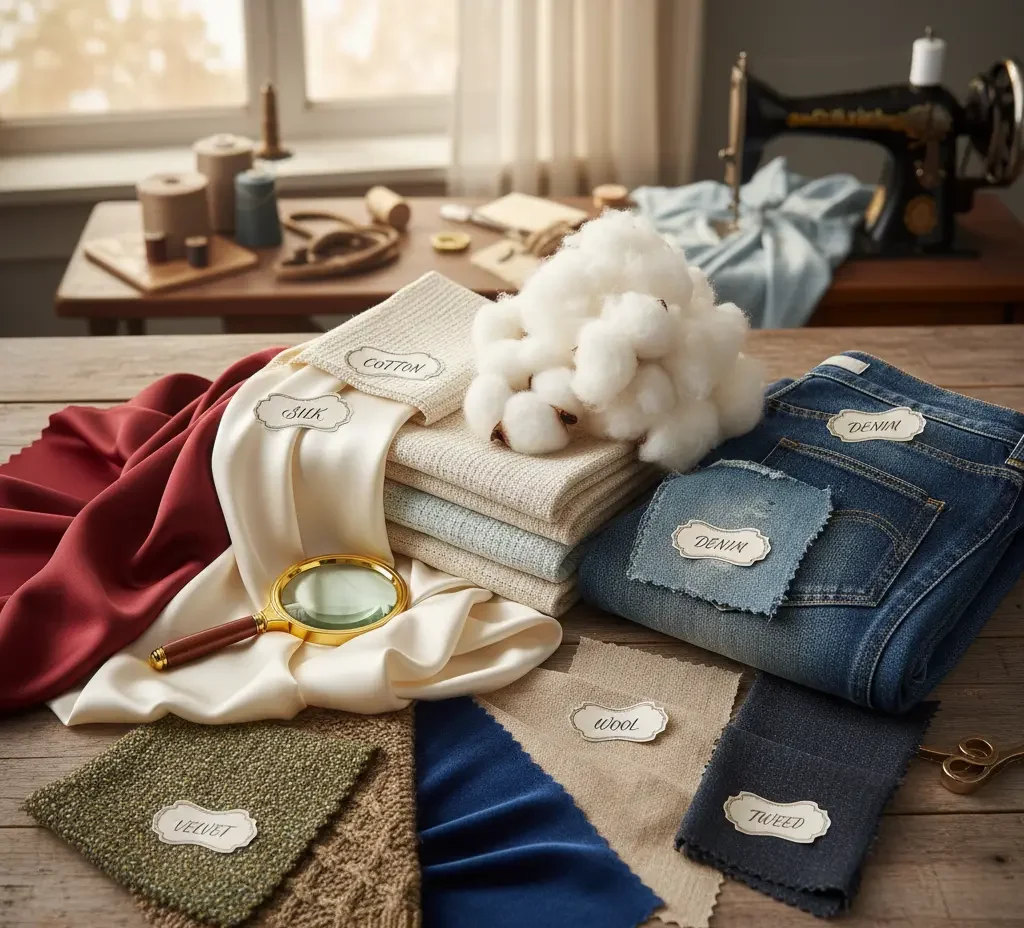
Clothes are important and vital in life. We are in contact with them everyday, we do not think much about where they came to be and why. The fabrics we use in our clothes, sheets we use to sleep, and even the furniture we use are all manufactured out of various fabric types. Education on fabrics will enable individuals to make quality decisions. It gives the consumers an option to choose the clothing that is comfortable, durable, and would be in line with their way of living. It is also used in keeping fabrics in good conditions to ensure that the fabrics have a longer life. This paper describes some of the most utilized fabrics such as cotton, silk, denim, wool, polyester, and linen. The fabrics possess distinct characteristics, which qualify them to fit in particular applications.
What Is Fabric?
Fabric is an item that is produced through fiber blending. These fibers are either woven, knitted or bonded together to create a textile that is usable. Plants and animals are some of the natural sources of fibers. They are also made using chemical processes and this is referred to as synthetic fibers. The fabric construction influences the way it is to touch, the strength and the reaction to washing and wearing.
Cotton: A Natural and Versatile Fabric
In the world, cotton is among the popular fabrics. It is extracted out of the cotton plant and it has a thousand year history of use. This is a fabric that is soft in nature. It is soft to touch on the skin and can be worn on a daily basis. Cotton is also breathable. The fabric is lightweight so that it can easily permit air to pass through it and hence perfect in warm weather. The other advantage of cotton is that it has the ability to absorb moisture. This aids in cooling down the body and drying it. T-shirts, shirts, underwear, towels and bed linens are usually made of cotton. There are however limitations to cotton. It creases readily and can be reduced in size should it be washed wrongly. Nonetheless, it is still a popular fabric that is comfortable and cheap.
Silk: A Symbol of Luxury
Silk is a natural cloth derived out of the fibers which are produced by silkworms. It is an expensive commodity that has been cherished over the centuries and is mostly connoted with posing as luxurious. The smooth texture of silk is one of the characteristics that can be felt most easily. It is soft and soft on the skin. Silk is also shiny in nature which gives the garments a luxurious look. This is a breathable fabric that provides a means of controlling body temperature. It has the ability to make you cool when it is hot and warm when it gets cold. Silk is regularly employed in solemn garments, scarves, ties and high-end bedding. Nevertheless, silk is one that should be handled carefully. It is also destroyed by strong detergent and direct sunlight. It is even more costly than the majority of other fabrics.
Denim: Strong and Long-Lasting
Denim is a long-lasting garment made of cotton in the first place. It is also weaved in a special design which makes it strong. Jeans are the most famous with this fabric. It is also applied in jackets, skirts and informal accessories. Denim is not light like most other fabric. This renders it tough and durable to wear and tear. With time, denim grows to be less stiff and more comfortable. Numerous individuals like the fact that denim gets old with wear. On the negative side, denim may be stiff at the time of newness. It can also not be breathable, and thus uncomfortable during sunny and hot weather.
Wool: Warm and Protective
Wool is a natural fiber, which is extracted out of animals, which are usually sheep. It has a reputation of being warm. This material entraps air in its material and this traps body heat. This is the reason why wool is usually employed in winter clothes. Wool is also moisture absorbing and not wet. This serves to keep warm in low temperatures. Wool is used in the form of sweaters, coats, blankets, and carpets. Others are too sensitive to wool, particularly of the poor kind. Wool also has to be specially washed in order to prevent shrinkage.
Polyester: Practical and Affordable
Polyester is a man-made cloth that is produced using chemical substances. It has a common application in contemporary textiles. This is a fabric that is heavy and non wrinkly. Even when washed several times it retains its shape. Polyester dries fast and is not absorbent of moisture. This renders it to be appropriate in sportswear and activewear. It is also applied in jackets, uniforms and furniture. Polyester is however not breathable as compared to natural fabrics. It can be introduced to hot and humid weather.
Linen: Cool and Lightweight
Flex fibers are turned into linen and are said to have the air feel. This fabric also gives free movement of air thus making it a good clothing during hot weather. The linen material is slightly rough. With repetition and washing it becomes softer with time. It is commonly applied to summer clothes, table cloths and curtains. Linen also has one disadvantage which is it wrinkles easily. There are those that like this natural appearance and those who like smooth fabrics.
Fabric Blends and Their Benefits
Various fabrics are currently produced through a combination of fibers. This assists in the merging of the advantages of various materials. As an illustration, cotton mixed with polyester is comfortable as well as durable. It also reduces wrinkling. Fabric blends are popular in day-to-day clothes since it is wearable and affordable.
How to Choose the Right Fabric
The selection of the appropriate fabric is based on a number of factors. Special to the item is its purpose. Comfort is important in everyday wear, whereas with formal clothing, it is all about image. Climate also plays a role. Breathable cloths are the best in warm weather and insulating cloths are used in cold weather. The other consideration is maintenance. There are those fabrics that should be treated in a special way and those that are simple to wash and dry.
Conclusion
Fabrics play a role in day to day comfort, fashion as well as durability. Cotton is soft and breathable. Silk is also elegant and luxurious. Denim provides durability and robustness. Wool retains warmth to the body whereas polyester is practical. Linen maintains the coolness and freshness. Knowing the types of fabric will assist customers to make the right choice. It also assists in the lengthening of the lives of clothes and other household products. Knowing what to wear is also easier and more gratifying with the right information.